Bali Energy Limited is the company developing the Bedugul geothermal project in Bali, Indonesia.
Established in Bermuda in 1994, BEL’s work at Bedugul spans exploration, drilling and technical studies. The project has its foundation in the Joint Operation Contract with Pertamina and the Energy Sales Contract with Pertamina and PLN, originally signed in 1995.
Our focus is to turn that foundation into a carefully staged development, bringing technical rigour and respect for Bali’s distinctive natural and cultural setting.
02 /OUR PEOPLE
Experience across disciplines. A shared focus on Bedugul.
Our leadership and project team bring experience in energy, engineering, finance, public policy and project administration.
Board of Directors
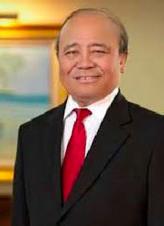
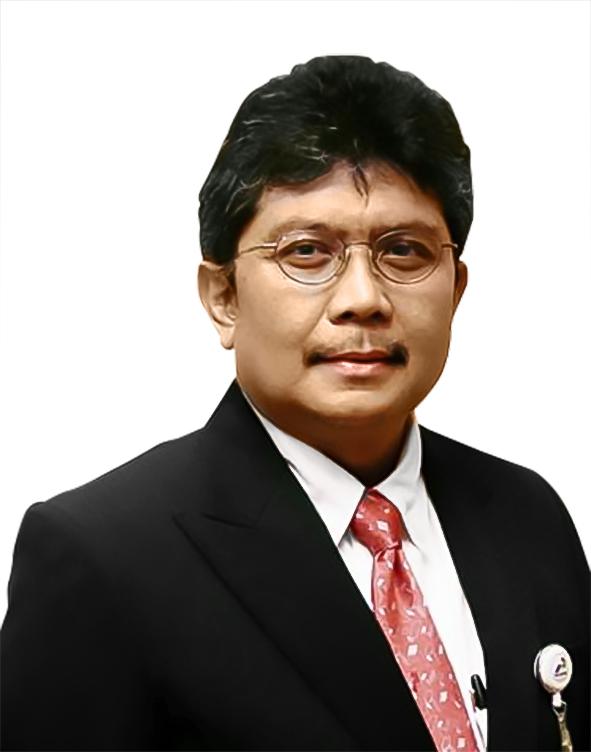
Sahala Lumban Gaol
Director / Chairman
Joined the group in 2020 and oversees its business interests in Indonesia. His background spans economic policy, government and leadership positions in Indonesian state-owned enterprises, including Pertamina, Geo Dipa Energy and Garuda Indonesia.
M.A., Economic Policy, University of Illinois Urbana-Champaign; Ph.D., Economics.
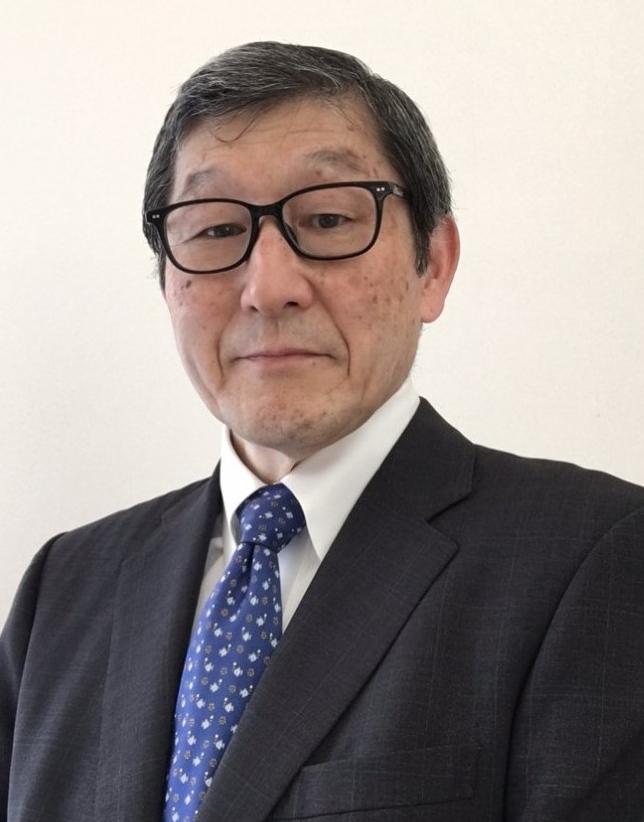
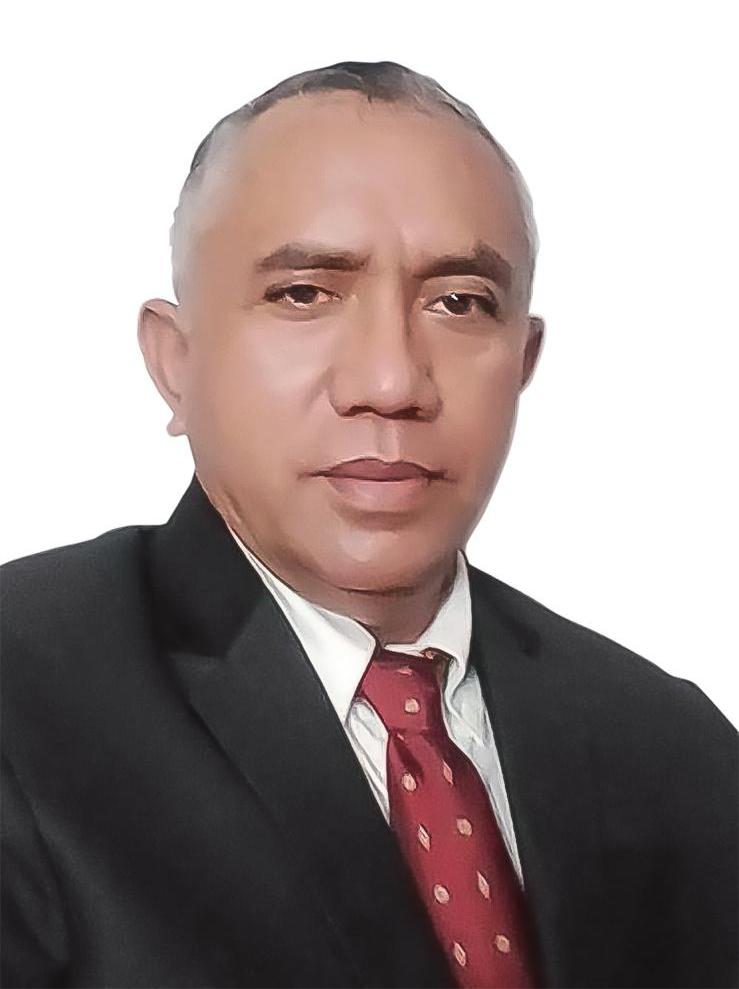
Henry Takata
President / Chief Executive Officer
Joined Bali Energy as President and CEO in 2021. His career includes roles at Mitsui & Co., Credit Suisse First Boston and Goldman Sachs, bringing international business and financial-sector experience.
B.S., Tufts University; MBA, UCLA Anderson School of Management.
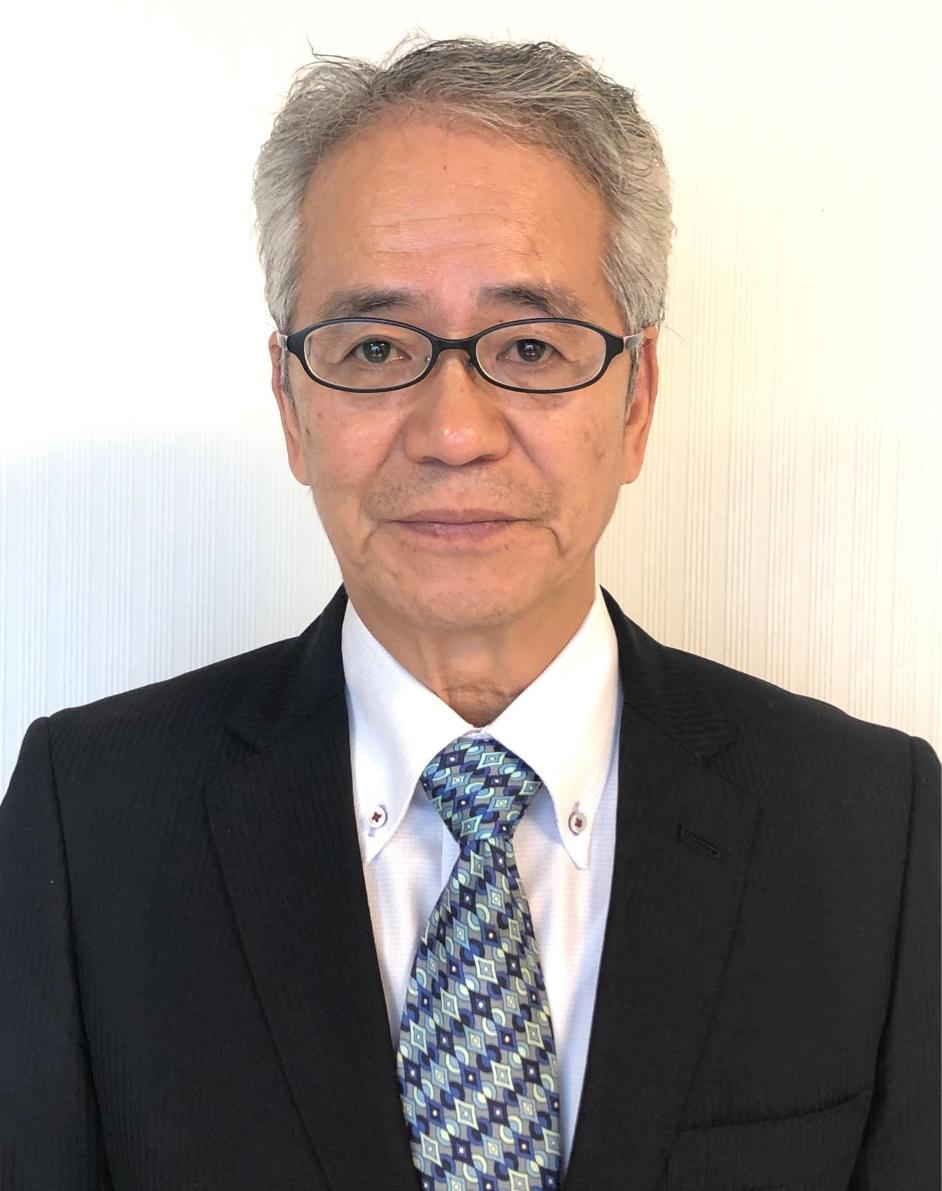
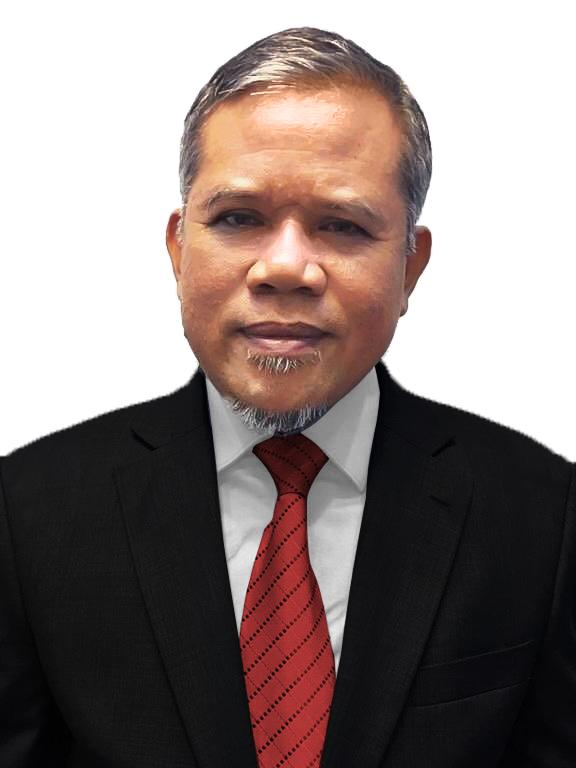
Hiroichi Kitamoto
Director
Joined the group as a director in 2015. His career includes corporate leadership at Sannou Business Dotcom and banking experience at Mizuho Corporate Bank and Fuji Bank.
Graduate, University of Tokyo, 1980.
Project Team
Irfan Zainuddin
Chief Operating Officer
Former President Director of Pertamina Geothermal Energy (2015–2018), with earlier leadership roles in upstream strategy and partnerships at Pertamina. A mining graduate of Sriwijaya University.
Dirgo Rahayu
Project Manager
A chemical engineering graduate with extensive geothermal experience at Pertamina. His work has covered drilling, steam-field systems, construction and operations at Kamojang, Lahendong and Ulubelu.
Supriyadi
Legal Support
An energy-law specialist with experience in JOC, ESC, project financing, EPC contracts and dispute resolution. Former Legal Vice President at Pertamina Hulu Energi. Holds an LL.M. from the University of Southampton.
Posma Sitompul
Government Relations
His background includes government auditing of Pertamina cost recovery and serving as President Director of PT Wisma Nusantara International. Holds a master's degree in accounting and international business from the University of Illinois Urbana-Champaign.
Sefty Lestari
Corporate Secretary
Joined the group in 2015, supporting executives, management administration and finance. Holds an M.A. in Political Science from Kokushikan University, Tokyo, and is fluent in Japanese and English.
03 /THE BEDUGUL PROJECT
One resource. A measured path forward.
Bedugul is planned in three stages: an initial 5–10 MW, a further 55–60 MW and another 110 MW. The ranges reflect the original plan and the Ministry of Energy and Mineral Resources (ESDM) plan, both targeting a total of 175 MW.
ESDM target year
Cumulative planned capacity
※The years shown are commercial-operation (COD) targets under the ESDM plan, not guaranteed start dates. Delivery depends on resource confirmation, permits, financing, construction and definitive agreements. The final 110 MW comprises two 55 MW units; the capacities shown are not current operating capacity.
PROJECT GEOGRAPHY
The Bedugul project area
Two source maps show the wider geothermal working area, the Bali Energy contract area and the locations of wells. Each map retains its original boundaries and legend.
2022
Working area & contract area
Outer red dashed boundary: WKP Tabanan. Inner dark-red dashed boundary: Bali Energy Contract Area. The map also identifies lakes, nature reserves and protected forests.
Source: PGE Partnership, “Kajian Awal Mengenai Peta Area KOB Bedugul”, 5 January 2022, slide 5. The original map cites SK ESDM No. 2067K/30/MEM/2012.
2026
Wells & access roads
Red boundary: geothermal working area (WKP). Green boundary: Bali Energy contract area. Yellow circles: existing wells. Blue circles: candidate wells. Red lines: access roads.
Source: annex to the KPPIP letter dated 12 February 2026, page 3. Map: PT Pertamina Geothermal Energy – Bali Energy Limited, 2026. Basemap credits are retained in the image.
Brightness adjusted for readability. Boundaries, well markers, roads and text retain their original positions and content.
Maps reflect their source dates. A working area or contract boundary does not mean that the entire area will be developed. Candidate wells indicate proposed locations in the source, not completed wells.
04 /RESOURCE RESEARCH & EVIDENCE
A resource studied. An opportunity to develop.
Seven source documents trace Bedugul’s resource assessments, engineering studies and field assets. They are listed from the earliest confirmed study or publication date; the undated collection is shown separately at the end.
Read the figures in context.
The studies use different areas, methods and assumptions. Their numbers are not additive and do not show a time trend. Resource potential, the 175 MW development concept and current well output are different measures.
The research record
MWe denotes electrical megawatts. Dates distinguish field surveys, appraisals, report issues and paper publications; unknown days are not inferred. The undated collection is listed separately at the end. Organisation groups describe source roles, not corporate ownership or current endorsement.
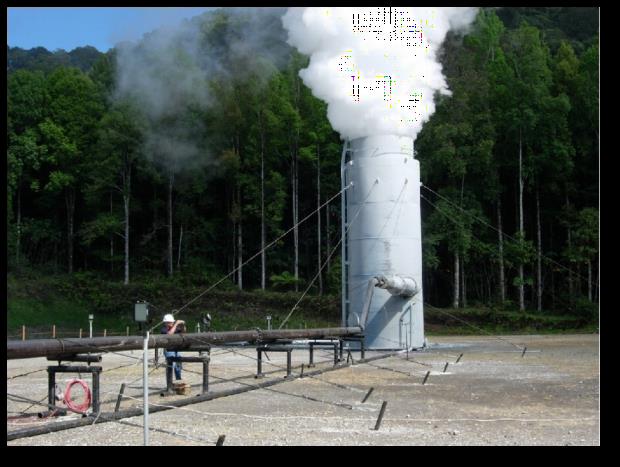
Group at the project site · Supplied photograph · Brightness and clarity adjustedWellhead equipment · Supplied photograph · Brightness and clarity adjusted
PROJECT HISTORY
Decades of work. A tangible foundation.
Bedugul’s exploration programme has included geophysical surveys, six temperature-gradient holes and three full-size wells. International technical studies have helped build an understanding of the field.
The next stage is to reassess and develop this foundation through updated technical work and a phased investment programme.
1994Bali Energy Limited established
1995Original JOC and ESC signed
1996–1998Exploration drilling programme
2004Amended development framework
2005Development activities entered a prolonged suspension amid opposition from Bali’s provincial government and legislature.
26 October: Bali DPRD Decision No. 25/2020 revoked Decision No. 7/2005 opposing development of the Bedugul plant.
12 February: KPPIP confirmed the National Strategic Project (PSN) framework for Bedugul, naming Bali Energy as the implementing company and stating that PSN facilitation may be provided for development or exploration.
Sources: BEL monitoring report, p. 4 (2020 milestone); KPPIP letter dated 12 February 2026 (PSN framework).
04 /OUR APPROACH
Developing energy. Respecting place.
Bali’s future is inseparable from its environment, communities and culture. These considerations belong at the heart of project development.
I.
Technical discipline
Progress through resource assessment, engineering and staged development, with each step informed by evidence.
II.
Respect for Bali
Recognise the importance of the highlands, local communities and Bali’s religious and cultural traditions in project planning.
III.
Long-term collaboration
Engage with public institutions, technical specialists and prospective partners around a responsible development pathway.
A CLOSER LOOK
Understanding Bedugul.
Is the project generating electricity today?
Bedugul is presented here as a development project. The 175 MW figure is the overall development concept, not a statement of current installed capacity or commercial operation.
Why develop in stages?
A staged approach allows technical information from earlier work to inform later investment decisions. The stages are shown as 5–10 MW, a further 55–60 MW, then 110 MW. The original plan is 10 + 55 + 110 MW; the ESDM plan is 5 + 60 + 110 MW, with COD targets of 2028, 2030 and 2033 respectively. Both plans total 175 MW.
How can potential partners learn more?
Please contact your Bali Energy representative with your organisation’s background and area of interest. Detailed project information is provided through the company’s agreed review and disclosure process.
PROJECT & CORPORATE ENQUIRIES
Let’s discuss the next chapter.
For project, technical or business enquiries, please get in touch with your Bali Energy representative. You can prepare a short introduction below to share with them.